
How Much Does a Home Renovation Cost in 2026?
Home renovations continue to be one of the most popular ways to improve comfort, functionality, and property value. Whether you’re updating an outdated bathroom, modernizing your kitchen, or going all-in with a full-scale remodel, one of the first questions that comes to mind is: how much does a home renovation cost in 2026?
The answer depends on many factors: your location, the type of project, labor costs, and the materials you choose. On average, homeowners in the U.S. can expect to spend between $20,000 and $150,000 for a home renovation in 2026, though luxury projects can go much higher.
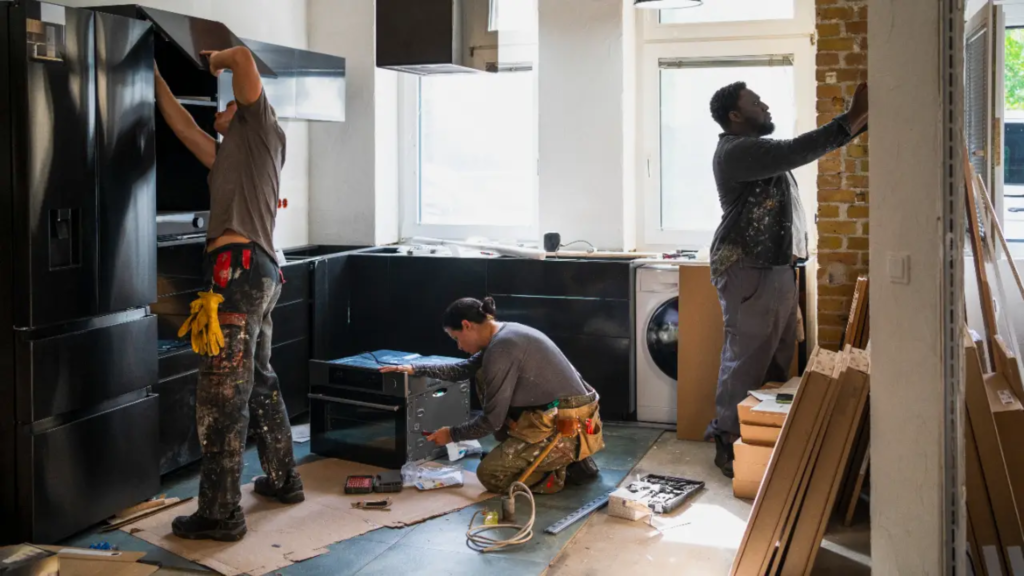
This guide will break down renovation costs room by room, explore the factors that affect pricing, look at cost-saving strategies, and provide tips to get the most out of your investment.
Average Home Renovation Costs in 2026
While no two homes are exactly alike, national averages give a good starting point.
| Type of Renovation | Average Cost Range (2026) | Typical ROI |
| Kitchen Remodel | $15,000 – $70,000 | 55% – 75% |
| Bathroom Remodel | $8,000 – $35,000 | 60% – 70% |
| Basement Finishing | $20,000 – $60,000 | 50% – 65% |
| Living Room/Bedroom Updates | $5,000 – $20,000 | 40% – 60% |
| Whole Home Renovation | $50,000 – $200,000+ | 55% – 70% |
| Exterior Updates (roofing, siding, windows) | $10,000 – $60,000 | 65% – 80% |
Renovation Cost by Home Size
Square footage plays a huge role in renovation pricing. Here’s what to expect in 2026:
| Home Size | Average Renovation Cost |
| 1,000 sq. ft. home | $20,000 – $60,000 |
| 1,500 sq. ft. home | $30,000 – $90,000 |
| 2,000 sq. ft. home | $40,000 – $120,000 |
| 2,500 sq. ft. home | $50,000 – $150,000+ |
Key Factors That Influence Renovation Costs
- Scope of Work: A cosmetic refresh (painting, flooring, fixtures) is far cheaper than a full gut renovation.
- Materials & Finishes: Luxury stone countertops, hardwood flooring, and custom cabinetry can double your costs compared to laminate or stock options.
- Labor Rates: Labor makes up 30%–50% of renovation costs. Metropolitan areas have higher hourly rates for contractors, plumbers, and electricians.
- Permits & Inspections: Structural, electrical, or plumbing changes often require permits. Learn more from the International Code Council (ICC).
- Home Age & Condition: Older homes often hide costly surprises such as outdated wiring, asbestos, or foundation repairs.
- Location: Renovations in cities like San Francisco, Boston, or Miami will cost significantly more than in rural areas.
Room-by-Room Renovation Cost Breakdown
1. Kitchen Remodel
- Low-end: $15,000 – $30,000
- Mid-range: $30,000 – $50,000
- High-end: $60,000 – $70,000+
A kitchen is often the most expensive room to remodel due to appliances, cabinetry, and countertops. However, it also delivers one of the highest returns on investment (ROI: 55–75%).
2. Bathroom Remodel
- Small bathroom: $8,000 – $15,000
- Master bathroom: $20,000 – $35,000
Bathrooms are smaller spaces but can be costly due to plumbing and tile work. A well-designed bathroom remodel increases comfort and resale appeal.
3. Basement Finishing
- Average: $20,000 – $60,000
Finished basements add living space, home offices, or entertainment areas. Adding a bathroom or kitchen increases costs but boosts value.
4. Living Room & Bedroom Updates
- Average: $5,000 – $20,000
These projects are more cosmetic: flooring, paint, lighting, and trim work. Costs rise if you add built-in storage or knock down walls.
5. Exterior Renovations
- Roof Replacement: $8,000 – $15,000
- Siding Replacement: $10,000 – $25,000
- New Windows: $7,000 – $20,000
Exterior upgrades improve curb appeal and energy efficiency. They also offer a high ROI, sometimes up to 80%.
Renovation Financing Options in 2026
Renovations can be a significant investment. Here are common ways homeowners finance projects:
- Cash Savings – Best option to avoid debt, but requires planning.
- Home Equity Loan (HEL) – Fixed-rate loan with predictable payments.
- Home Equity Line of Credit (HELOC) – Flexible borrowing for ongoing projects.
- Cash-Out Refinance – Replaces your mortgage with a larger loan at today’s interest rate.
- Personal Loans or Credit Cards – Faster but usually higher interest rates.
Cost-Saving Tips for Home Renovations
- Set a Realistic Budget – Add 10–20% for unexpected expenses.
- Get Multiple Quotes – Compare at least three contractors.
- Do Some DIY – Painting, landscaping, and demolition can save thousands.
- Reuse or Refinish – Reface cabinets instead of replacing.
- Shop Sales – Buy materials during holiday or seasonal promotions.
- Plan in the Off-Season – Contractors may offer lower rates in late fall and winter.
- Avoid Scope Creep – Stick to your original plan to avoid ballooning costs.
Trends in Home Renovation for 2026
- Energy-Efficient Upgrades – Solar panels, better insulation, and efficient windows are increasingly popular.
- Smart Homes – Voice-controlled lighting, security, and appliances are becoming standard.
- Multi-Functional Spaces – Home offices, gyms, and dual-purpose rooms are in demand.
- Outdoor Living – Decks, patios, and outdoor kitchens continue to rise in popularity.
- Sustainable Materials – Recycled wood, eco-friendly flooring, and water-saving fixtures are trending.
Final Thoughts
So, how much does a home renovation cost in 2026? On average, homeowners should expect to spend $20,000 to $150,000+, depending on the scope and complexity of the project. The key to success is careful planning, budgeting, and choosing renovations that provide both comfort and a strong return on investment.
Whether you’re updating one room or transforming your entire home, renovating in 2026 can give you the modern, functional, and valuable space you’ve always wanted.