Tile Installation vs. Vinyl Flooring: Which Is Better for Bathrooms?
When renovating a bathroom, the flooring you choose plays a critical role in both the overall design and the day-to-day performance of the space. Bathrooms experience constant moisture, temperature changes, humidity, and heavy foot traffic.
Two of the most popular flooring options homeowners compare are tile flooring and vinyl flooring. Both materials are widely used in bathrooms because they offer strong water resistance, attractive finishes, and flexible pricing options to suit different budgets.
Tile has long been considered the traditional, high-end choice known for its durability and timeless appeal. Vinyl, on the other hand, has rapidly grown in popularity thanks to its affordability, comfort underfoot, and realistic wood or stone-look designs.
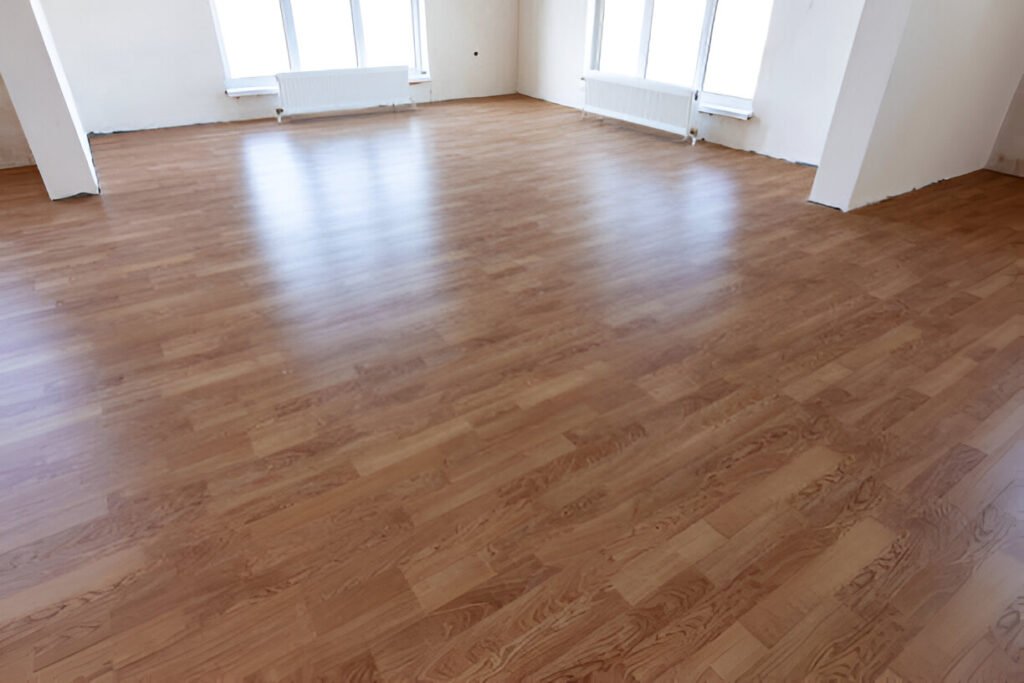
In this guide, we’ll take a closer look at tile vs. vinyl flooring by comparing them across the most important categories: cost, durability, water resistance, style options, maintenance requirements, and installation complexity. By the end, you’ll have a clear understanding of which flooring option best fits your bathroom renovation project.
Vinyl Flooring
Vinyl flooring is made from PVC and fiberglass, often in layers that include a design layer (for texture and look), a core, and a top wear layer. Popular formats include:
- Luxury Vinyl Plank (LVP)
- Luxury Vinyl Tile (LVT)
- Sheet Vinyl
These products are 100% waterproof, affordable, and available in wood, stone, and tile looks. Modern vinyl uses click-lock systems or adhesive-backed designs, making them ideal for DIYers and fast remodels.
Tile Flooring
Bathroom tiles are typically made from natural clay materials like ceramic or porcelain. These are fired at high temperatures and may be glazed for added protection. Porcelain is denser and more water-resistant than standard ceramic. Common types include:
- Ceramic Tile
- Porcelain Tile
- Natural Stone (e.g., marble or slate)
Tiles are durable and timeless, but require grout, mortar, and expert installation to get it right.
Why Vinyl Flooring May Be Better for Bathrooms
1. Easier Installation
Vinyl flooring is much easier to install. Click-lock vinyl planks can be floated over subfloors with minimal prep, while adhesive-backed LVT is even simpler. No grout, no drying time, and fewer tools required.
By contrast, tile installation involves leveling the subfloor, cutting with a wet saw, applying mortar, spacing tiles with spacers, and finishing with grout. It’s a messy and labor-intensive process.
2. Comfort and Warmth
Vinyl is softer and warmer underfoot compared to tile. If you spend a lot of time in your bathroom barefoot, vinyl is more forgiving. Tile can be hard, cold, and uncomfortable unless paired with radiant heating.
3. Affordability
Vinyl flooring is far more budget-friendly. High-quality LVP or LVT typically costs $2 to $7 per square foot, while tile materials can range from $5 to $20 per square foot, not including labor. Tile installation can double the total cost.
4. Stylish & Trend-Responsive
Modern vinyl flooring mimics the look of natural wood or stone incredibly well. Plus, vinyl is easier to replace or update when trends change. With tile, tearing it out is costly and time-consuming.
Why Tile Still Wins in Some Bathrooms
1. High-End Appearance
Porcelain and ceramic tiles are still considered the gold standard for bathroom flooring. They offer unmatched elegance, and natural stone tiles like marble or slate can elevate any space.
2. Long-Term Durability
Properly installed tile can last 30 to 50 years or more. It resists scratches, dents, and fading. Vinyl may need to be replaced in 10 to 20 years, especially in high-traffic bathrooms.
3. Superior Heat Resistance
Tile can handle high heat from radiant heating systems or sun exposure without warping, unlike vinyl, which may expand or deform under extreme conditions.
Tile vs. Vinyl: Side-by-Side Comparison Table
| Feature | Vinyl Flooring | Tile Flooring |
| Water Resistance | 100% Waterproof | Waterproof (with sealed grout) |
| Installation | DIY-friendly, fast | Labor-intensive, needs professionals |
| Comfort | Softer, warmer underfoot | Hard and cold unless heated |
| Cost (Material + Labor) | $2.50–$10 per sq. ft. | $8–$25 per sq. ft. |
| Appearance | Stylish, trend-responsive | Premium, timeless |
| Durability | 10–20 years | 30–50+ years |
| Maintenance | Easy to clean | Moderate (grout cleaning required) |
| Slip Resistance | Moderate (depends on texture) | Moderate (matte finish best) |
Cost Comparison: Vinyl vs. Tile Bathroom Flooring
Budget plays a major role in deciding between vinyl and tile flooring. Here’s how they compare in terms of material prices, labor costs, and long-term value:
| Cost Factor | Vinyl Flooring | Tile Flooring |
| Material Cost | $1.50 – $6 per sq. ft. | $2 – $20 per sq. ft. (porcelain or ceramic) |
| Installation Cost | $1 – $4 per sq. ft. | $5 – $15 per sq. ft. |
| Total Installed Cost | $2.50 – $10 per sq. ft. | $8 – $25+ per sq. ft. |
| Tools & Supplies | Basic tools, underlayment (if needed) | Grout, mortar, tile saw, spacers, sealant |
| Subfloor Preparation | Minimal in most cases | Often requires leveling, moisture barriers |
| Repair/Replacement | Easy and inexpensive to replace planks | More difficult and labor-intensive to repair |
| Long-Term Value | Lasts 10–20 years, cost-effective | Lasts 30–50+ years, increases home value |
Bathroom Flooring Maintenance Tips
Whether you choose vinyl or tile flooring, proper maintenance is essential to keep your bathroom floors looking their best and lasting as long as possible. Below are tips for cleaning, protecting, and extending the life of each type.
1. Clean Grout Regularly: Grout can attract mold, mildew, and stains. Use a baking soda and vinegar paste or a commercial grout cleaner every few months.
2. Seal the Grout: Apply a grout sealer once a year to maintain water resistance and prevent discoloration.
3. Use Non-Abrasive Cleaners: Stick to soft cloths, microfiber mops, or sponges. Avoid scouring powders or hard brushes that may scratch glazed tiles.
4. Prevent Soap Scum Build-Up: Use a daily shower spray or squeegee to prevent residue and water spots on tile surfaces.
5. Check for Cracks and Chips: Inspect regularly for damaged tiles or loose grout. Repairing small issues early prevents larger, more expensive problems later.
Ready to Upgrade Your Bathroom Flooring?
Choosing between tile and vinyl doesn’t have to be overwhelming. Both materials offer excellent benefits, it all comes down to your budget, style preferences, and how you use your space.
If you’re ready to get started on your bathroom renovation, talk to a licensed flooring contractor to help you make the best choice and handle the installation with precision.
Need a trusted local pro? Homeowners in Richmond, VA, often turn to Tyson Home Repair and Remodeling for expert flooring installation and personalized guidance. A skilled contractor can help you compare materials, prepare the subfloor, and deliver a clean, long-lasting result.